
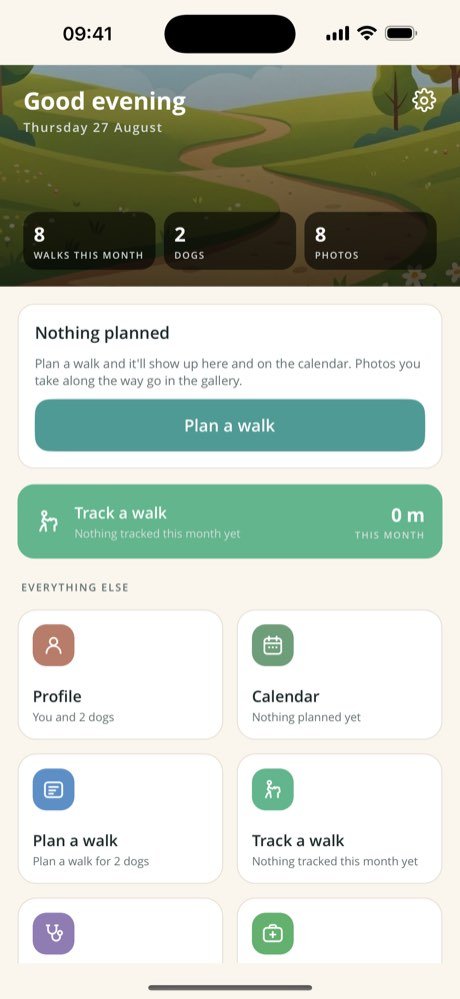
Dog Walker
Plan a walk, track it live with GPS, and keep every dog’s medical record and first aid guide to hand.
See the screenshots

Commodore 64 — and now mobile apps.
Working apps rather than mock-ups — every screenshot is taken on a real device. All of them keep your data on the phone rather than on somebody else’s server.
The site now covers mobile apps as well as the C64. What started as an archive of Commodore 64 games has grown to take in the iPhone apps and games built since — a dog walking tracker, a yard and riding app, an audio and video recorder, a hill walking tracker, two study apps for students on placement, and a handful of games. Same interest in small, tight software that does its job; different hardware, forty years on. See the apps.
Welcome to Howarth Games, a personal archive and reflection on a period of creativity that began in the 1980s and continued into the early 1990s during the heyday of the Commodore 64. This blog focuses on the games I developed during that time, when home computing was still relatively new, and almost everything about game design was driven by curiosity, technical experimentation, and a willingness to push limited hardware as far as it could go.
The Commodore 64 was a remarkable machine for its time. With its SID sound chip, distinctive graphics capabilities, and widespread availability, it became a platform where independent developers and small teams could experiment freely. For me, it was the machine where I first learned how to design, code, and structure games in a meaningful way. Every byte mattered, every cycle of performance counted, and those constraints often led to creative solutions that would not have emerged in a more modern, resource-rich environment.
The games featured here represent a mixture of commercial releases and smaller projects, each shaped by the technical and commercial realities of the era. Development in those days was very different from modern game production. There were no large engines, no extensive middleware, and very little separation between design and implementation. Gameplay ideas were often translated directly into code, and iteration happened quickly and pragmatically. If something worked, it stayed. If it didn’t, it was rewritten or removed entirely.
Looking back, one of the most interesting aspects of that period was the diversity of genres that could be explored even within tight limitations. From action games and arcade-style shooters to puzzle concepts and experimental mechanics, the Commodore 64 scene encouraged variety. Many ideas were inspired by arcade machines or contemporary home computer titles, but each implementation had to be adapted carefully to fit within memory constraints and performance limits. This often resulted in unique interpretations that gave each game its own identity.
Sound and graphics also played a significant role in shaping the experience. The SID chip, in particular, gave the C64 a distinctive audio character that is still recognised today. Composers and developers often collaborated closely, or in some cases handled both code and music themselves. Visually, the machine encouraged bold use of colour and sprite design, with an emphasis on clarity and readability rather than realism. These limitations helped define the visual language of the platform and continue to influence retro aesthetics today.
This blog is not just a catalogue of old games, but also a record of the development process and the environment in which they were created. Each title reflects a moment in time when experimentation was encouraged, and when even small teams or individual programmers could produce complete, playable experiences that reached a wide audience. It is also a reminder of how much could be achieved with relatively simple tools, given enough imagination and persistence.
Howarth Games exists to preserve and revisit that period of development history, not with nostalgia alone, but with an appreciation for the techniques, constraints, and decisions that shaped each project. Whether you remember these games from the first time around or are discovering them for the first time, the aim is to provide context and insight into how they were made, and why they remain interesting as part of the Commodore 64 legacy.
Strike! – 1987
A bowling game published by MAD / Mastertronic. Players compete in a
ten-pin bowling tournament, aiming for strikes and spares while mastering the timing and
accuracy needed to send the ball down the lane.
Raw Recruit – 1988
A multi-event sports game in which players take control of a new
army recruit undergoing military training. Events include obstacle courses, shooting practice
and fitness challenges, all designed to test speed and skill.
Scumball – 1988
A quirky multi-screen platform game where the player controls a
bouncing ball-like character through a series of dangerous rooms filled with enemies, ladders
and traps. The goal is to collect items and survive long enough to reach the next stage.
Sky Shark (US Version) – 1988
A vertically scrolling shoot-'em-up based on the arcade
game by Taito. Players pilot a fighter plane through enemy territory, avoiding heavy fire while
destroying tanks, ships and aircraft across increasingly difficult levels.
War Cars Construction Kit – 1988
Part action game and part creation tool, this title
allows players to design their own arenas and then battle computer-controlled opponents using
armed vehicles. It offered a surprising amount of freedom for a Commodore 64 game of the era.
Baby Blues – 1990
A fast-paced crosshair shooter in which the player must defend
against waves of cartoon-style enemies. The game combines quick reflexes with colourful graphics
and a light-hearted sense of humour.
Gunslinger – 1990
A Wild West themed shooting game where the player takes on the role
of a lone gunslinger facing enemies in a series of quick-draw shootouts. Success depends on fast
reactions and accurate aim.
Puzznic – 1990
A conversion of the popular arcade puzzle game. Players must slide
matching blocks together to make them disappear, solving increasingly complex puzzles using
logic and careful planning.
Gauntlet III: The Final Quest – 1991
An action game inspired by the Gauntlet series,
featuring dungeon exploration, monsters and treasure. Players guide their hero through maze-like
levels, battling enemies and searching for the exit while collecting power-ups along the way.
The same interest in tight, practical software that shaped the Commodore 64 work still applies on modern hardware. These are complete, working iPhone apps and games rather than mock-ups, and every screenshot is taken on a real device. Tap any of them to see the full set of screens, or see all of them — landscape games included — on the apps page.
Plan a walk, track it live with GPS, and keep every dog’s medical record and first aid guide to hand.
See the screenshots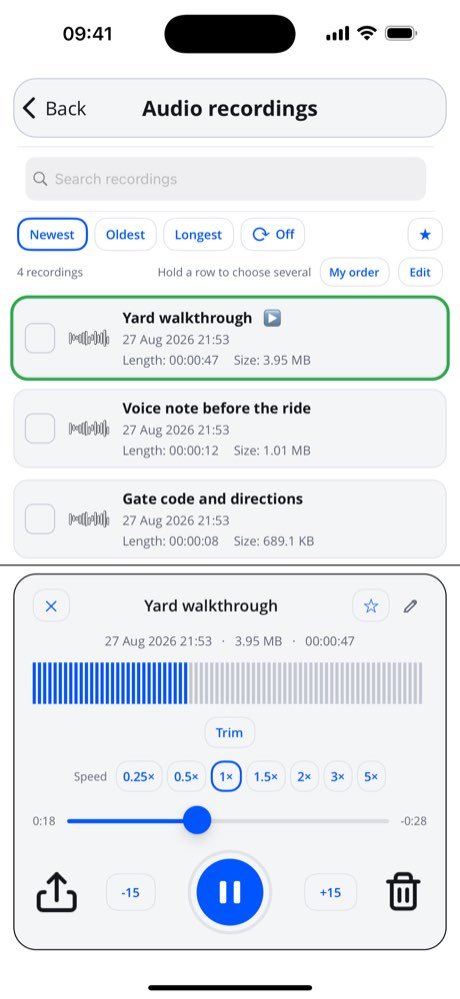
Audio and video capture up to 4K, filed into a searchable library with trimming and variable speed playback.
See the screenshots
Every walk broken down by gradient, your grid reference in the form somebody asks for it, and twenty-nine first aid topics.
See the screenshots
Thirty-seven illustrated anatomy cards that open with no signal, and the timetable that says where you have to be.
See the screenshots
Thirty-seven illustrated anatomy cards that need no download and no signal, and the planner for lectures and placements.
See the screenshots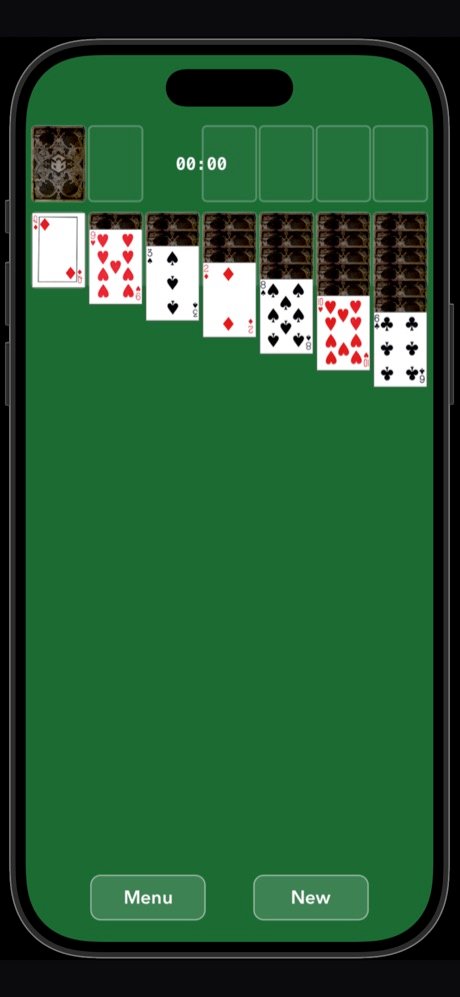
Patience against the clock, with a match swap variation and a ten place table held on times.
See the screenshots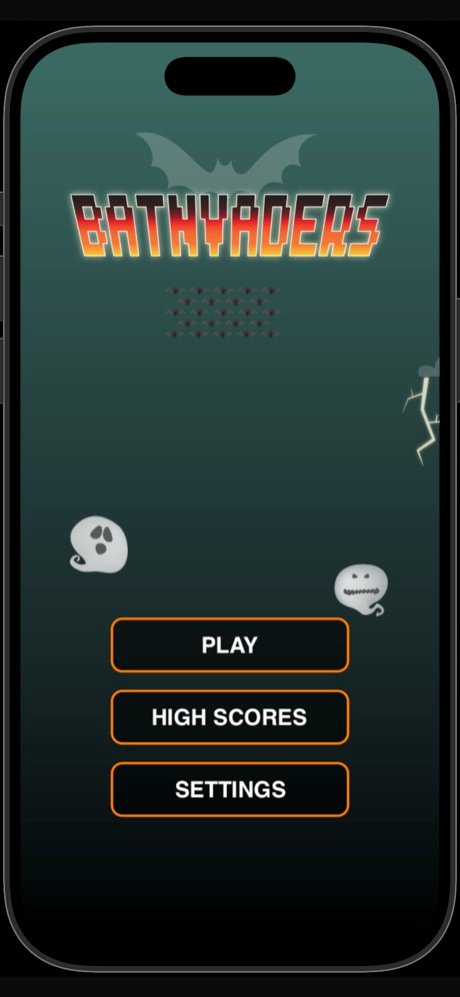
An arcade shooter with bats where the aliens should be, keeping level and score across the top.
See the screenshots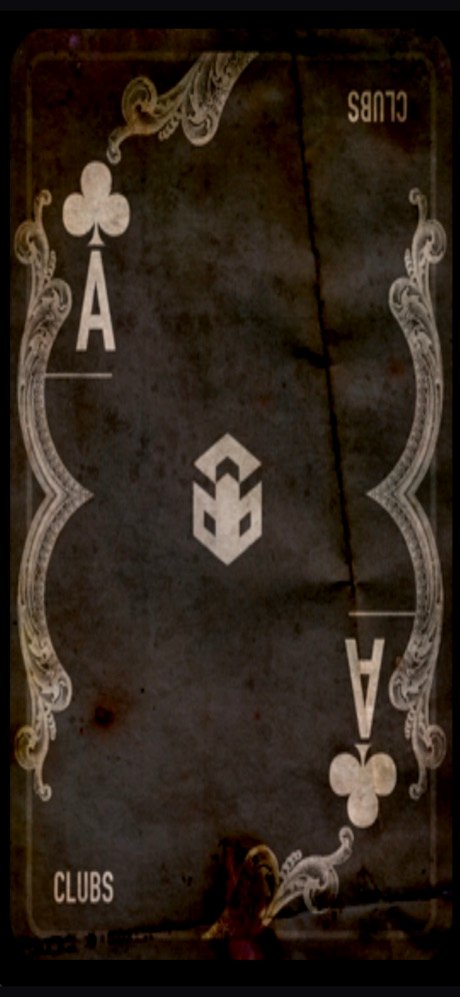
A card matching game with two ways to play, match only or match and swap, against a running clock.
See the screenshots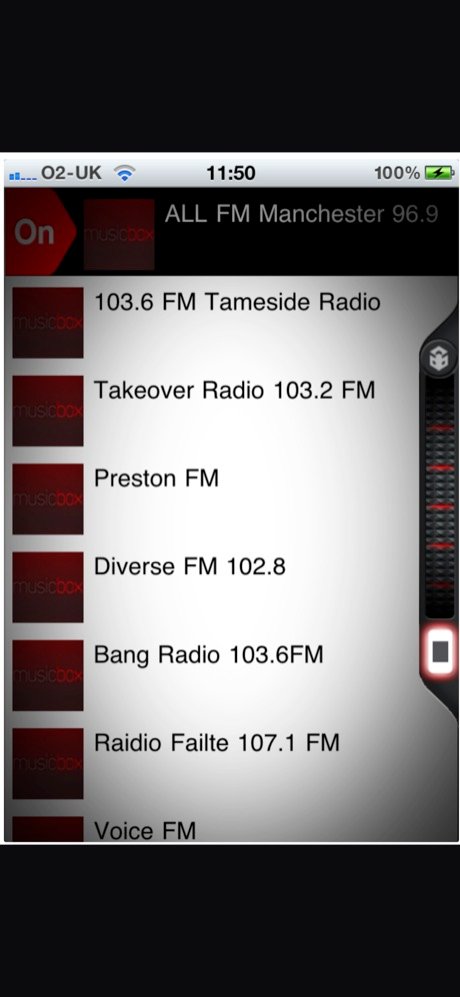
Internet radio for the UK’s community and local stations. One list, tap a station, listen.
See the screenshotsNobody has left a review yet, so there is nothing to show here — and rather than fill the space with something made up, here is how to leave the first one. If you have used one of the apps, a rating takes a few seconds and genuinely helps other people find it.
Every Commodore 64 title, with what it was and how it was built. Any of them can lead here — they are all pages in their own right rather than a fixed set of featured posts.
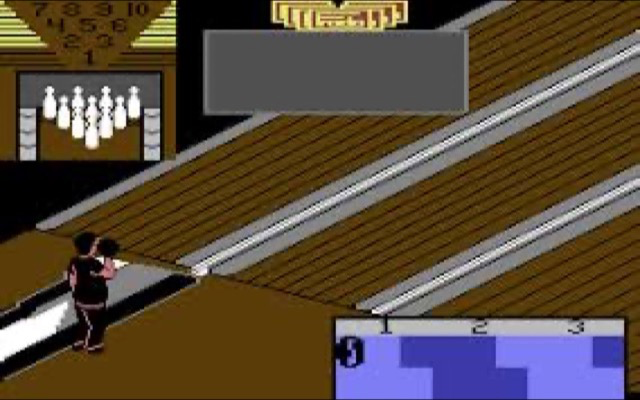
Ten-pin bowling, all in the timing.
Read about it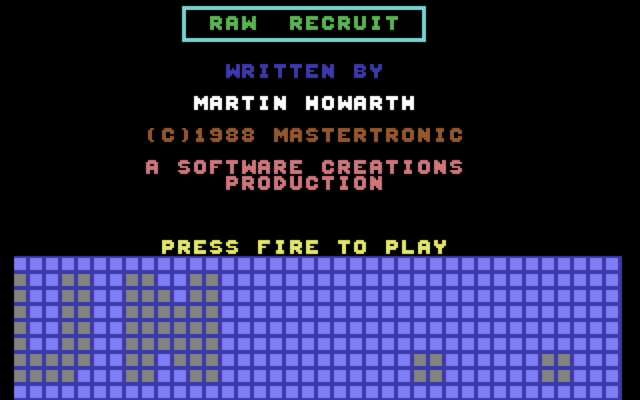
Multi-event army training: obstacle courses, shooting, fitness.
Read about itA bouncing character through rooms of enemies, ladders and traps.
Read about it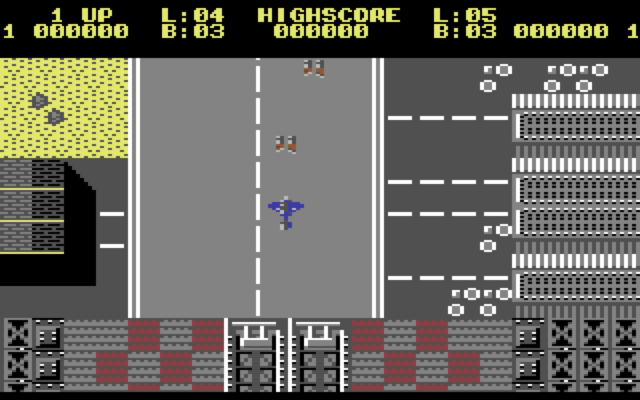
Vertically scrolling shoot-em-up, from the Taito arcade game.
Read about itBuild your own arenas, then fight in them.
Read about it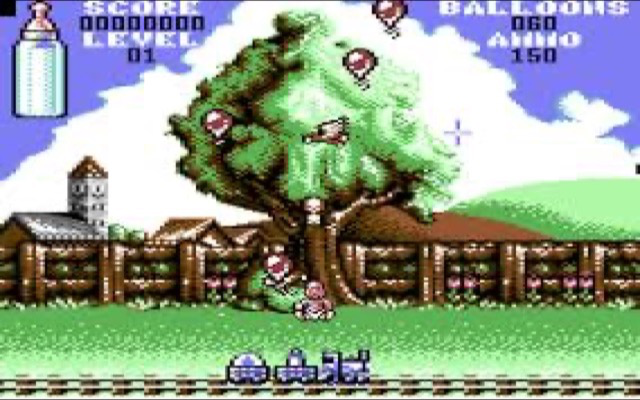
A fast crosshair shooter with a light-hearted streak.
Read about itWild West quick-draw shootouts, decided on reaction time.
Read about it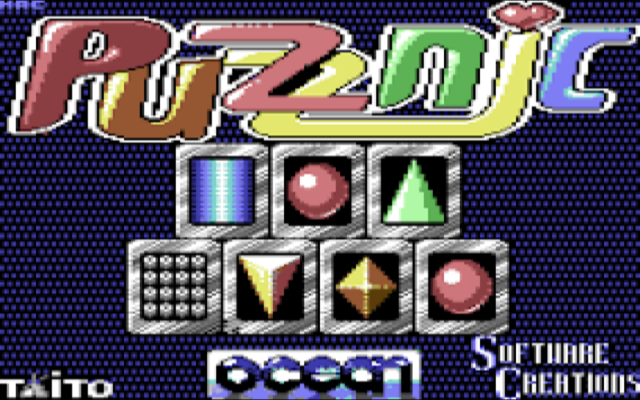
Slide matching blocks together. Logic, not reflexes.
Read about it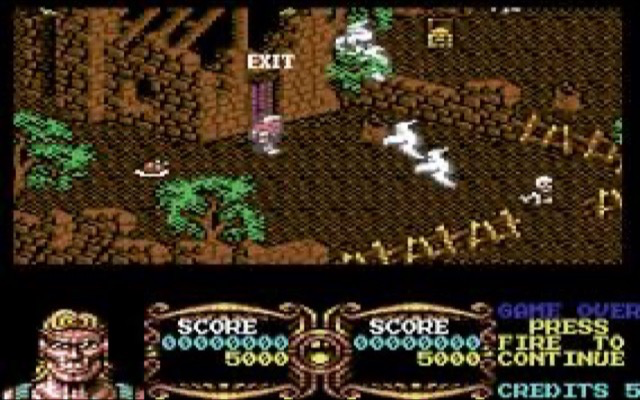
Finished, reviewed, never properly released. The game that wasn’t.
Read about it